
Blog

SSH security guides, compliance insights, and PAM deep-dives from the Ezeelogin team

Category: Cybersecurity

shape
shape
shape
shape
shape
shape
shape
shape
Standard

RADIUS MFA for network devices

RADIUS MFA for network devices: how it works and where it breaks Most teams already have MFA on email, VPN and cloud consoles. The admin login on a core switch is often still a password, sometimes one shared by the whole network team. RADIUS MFA, also called RADIUS 2FA, is the usual way to fix
Standard

PHP2Shell: Patch CVE-2026-109618 & CVE-2026-109619

PHP2Shell: Two Critical PHP Flaws That Turn One HTTP Request into Code Execution PHP2Shell is a critical PHP remote code execution vulnerability pair, tracked as CVE-2026-109618 and CVE-2026-109619. On 21 October 2026 the PHP project shipped emergency releases for both flaws in the language runtime itself. Each is rated 9.2 (Critical) on CVSS v4.0, and

Standard

Plague: The PAM-Based Linux Backdoor

Plague is a newly discovered, highly sophisticated Linux backdoor making headlines across the cybersecurity community. Unlike conventional malware, Plague embeds itself into PAM (Pluggable Authentication Modules)—the core authentication framework for Linux—granting attackers stealthy, persistent access that bypasses standard login mechanisms. Researchers warn that Plague has been quietly evolving since mid-2024 and remained undetected for more than

Standard

SSHStalker: A deep dive into the new IRC-controlled Linux botnet infecting thousands of servers

In early 2026, cybersecurity researchers uncovered a stealthy Linux botnet operation that has infected nearly 7,000 servers worldwide — not with advanced AI or zero-day exploits — but by resurrecting old-school techniques: SSH brute-force compromise, decade-old Linux vulnerabilities, and text-based IRC (Internet Relay Chat) command-and-control (C2) communication. Dubbed SSHStalker, this campaign staggering in scale highlights

Standard

Critical Privilege Escalation Vulnerability Discovered in Dropbear SSH Server

The open-source Dropbear SSH server, widely deployed on embedded devices, routers, and lightweight systems like OpenWRT, has been found to contain a serious privilege escalation flaw. This vulnerability could allow an authenticated user to execute arbitrary programs with root privileges — essentially giving them full control over the system. This flaw is tracked as CVE-2025-14282

Standard

SSH Tunneling: A Complete Guide to Secure Network Access

Introduction In today’s interconnected world, securing data as it travels across networks is more important than ever. Whether you’re accessing a remote server, managing databases, or working from an untrusted network, exposed connections can become easy targets for attackers. SSH tunneling offers a powerful yet lightweight solution by encrypting network traffic and safely forwarding it

Standard

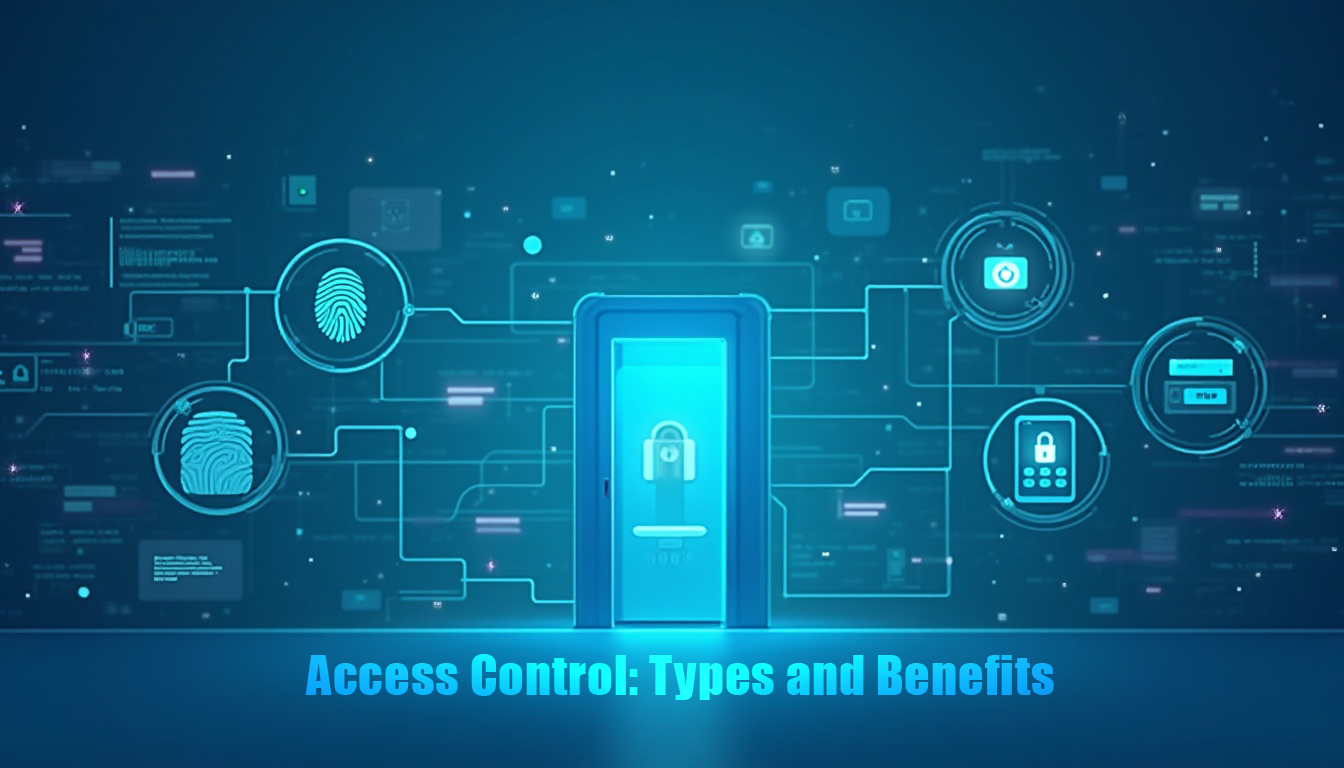
Access Control: Types and Benefits

Access control is one of the most fundamental pillars of cybersecurity and operational governance in any organization. It defines who can access specific systems, applications, data, or physical resources, ensuring that only authorized individuals can perform permitted actions. Proper access control is essential for protecting sensitive information, maintaining business continuity, and meeting regulatory obligations.  

Standard

Authentication Vs Authorization

In today’s digital era, cybersecurity has become a major concern for individuals and organizations alike. One key aspect of securing systems is controlling access to digital devices and data. This is where the concepts of authentication and authorization come into play. In this article, we will explain what authentication and authorization are, the key differences